UK Driving Licence

Apply for your UK driving licence online. Step‑by‑step guide to eligibility, documents, and legal requirements. Both Full licences And Provisional Licences

Renew or replace your UK driving licence quickly. Official guidance on applications, fees, and eligibility.
UK driving licence explained: how to apply, renew, or replace your licence with clear instructions.
Get your UK licence fast. Learn eligibility, required documents, and online application steps today

Welcome to Your UK Driving Licence Guide

Getting your UK driving licence is the first step toward safe and legal driving on British roads. Whether you’re applying for your first provisional licence, renewing an existing one, or replacing a lost card, this guide provides clear, official information to help you through the process. From eligibility requirements and necessary documents to online applications and renewal tips, we make it simple to understand everything you need to know about securing your licence in the United Kingdom.

Driving licence application DL1 – guidance notes

UK Driving Licence
UK Driving Licence

UK driving licences are categorized by vehicle type, with standard, full licenses (Category B) allowing drivers to operate vehicles up to 3,500kg MAM (Maximum Authorised Mass). Common categories include AM/A for motorcycles, B for cars, C for lorries, and D for buses, with additional categories like E allowing for towing trailers (e.g., BE).

Key UK Driving Licence Categories
 
  • Category B (Cars): The standard licence.
    • Passed on/after 1 Jan 1997: Drive vehicles up to 3,500kg MAM with up to 8 passenger seats.
    • Passed before 1 Jan 1997: Usually allowed to drive combined vehicle/trailer weights up to 8,250kg.
    • Electric Vehicles (EVs): Category B holders can drive EVs up to 4,250kg.
  • Category B Auto: Specifically for automatic cars, preventing the holder from driving manual vehicles.
  • Category BE: Allows towing trailers over 750kg but up to 3,500kg behind a Category B vehicle.
  • Category AM/A (Motorcycles): Includes mopeds (AM, 15.5-28 mph) and motorcycles (A1, A2, A) based on power and engine size.
  • Category C (Lorries): Covers medium (C1) and large (C) commercial vehicles.
  • Category D (Buses): Covers minibuses (D1, max 16 seats) and buses (D).
  • Categories F, G, H, K: Special vehicle types: Agricultural tractors (F), Road rollers (G), Tracked vehicles (H), and Pedestrian-controlled machinery (K).
     
Provisional Licences
Before a full licence, learners must apply for a provisional licence to start training.
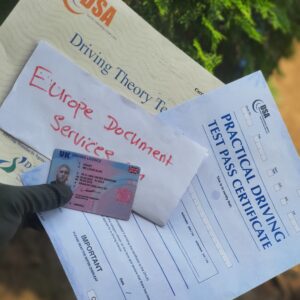
🚗 Main Types of UK Driving Licence Categories

CategoryVehicle TypeKey Details
AMMopeds2- or 3-wheeled vehicles, max speed 28 mph; includes light quad bikes.
A1 / A2 / AMotorcyclesA1: small bikes up to 125cc; A2: medium bikes up to 35kW; A: unrestricted motorcycles.
BCarsStandard car licence; vehicles up to 3,500kg with up to 8 passenger seats.
B1QuadricyclesMotor tricycles and quadricycles.
B+ECar + TrailerAllows towing trailers over 750kg with a car.
C1 / CLorriesC1: medium-sized lorries (3,500–7,500kg); C: large lorries over 7,500kg.
C1E / CELorry + TrailerC1E: medium lorry with trailer; CE: large lorry with trailer.
D1 / DMinibuses & BusesD1: minibuses up to 16 passengers; D: full-size buses.
D1E / DEBus + TrailerAllows towing trailers with minibuses or buses.
F / G / H / KMiscellaneousF: agricultural tractors; G: road rollers; H: tracked vehicles; K: pedestrian-controlled vehicles.


UK Driving Licence
UK Driving Licence

UK Driving Licence – Complete Guide

The UK driving licence is your official permit to drive legally on British roads. Whether you are applying for your first provisional licence, renewing an existing one, or replacing a lost card, understanding the process is essential. This comprehensive guide explains everything you need to know about UK driving licences, including eligibility requirements, application steps, renewal procedures, and the different licence categories available. By following clear instructions and official guidance, you can ensure your driving journey begins smoothly and legally.

Applying for a UK Driving Licence

To start driving in the United Kingdom, you must first apply for a provisional licence. This allows you to practice driving with supervision and prepares you for the theory and practical tests. Applications can be made online through the official GOV.UK portal or by post using a D1 form. You will need proof of identity, a recent passport‑style photo, and the appropriate fee. Once approved, your provisional licence will arrive by post, giving you the legal right to begin learning.
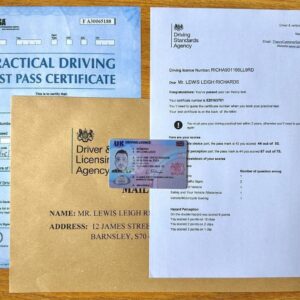
Types of UK Driving Licence

The UK driving licence covers a wide range of vehicle categories. The most common is Category B, which allows you to drive cars up to 3,500kg with up to eight passenger seats. Other categories include AM for mopeds, A1/A2/A for motorcycles, C1/C for lorries, and D1/D for minibuses and buses. Each category has specific age and testing requirements, ensuring drivers are properly trained for the vehicles they operate. Understanding these categories helps you choose the right licence for your needs.

Renewing or Replacing Your Licence

UK driving licences must be renewed every 10 years to remain valid. Renewal can be completed online, by post, or at selected Post Office branches. If your licence is lost, stolen, or damaged, you can request a replacement through GOV.UK. Keeping your licence up to date is vital, as driving with an expired or invalid licence can lead to fines and penalties. Always check the expiry date printed on your card to avoid issues.

Why the UK Driving Licence Matters

Holding a valid UK driving licence is more than just a legal requirement. It serves as an important form of identification, often used for banking, employment, and travel purposes. It also demonstrates that you have met the necessary standards of road safety and driving competence. For international drivers, exchanging a foreign licence for a UK licence may be required depending on your country of origin.